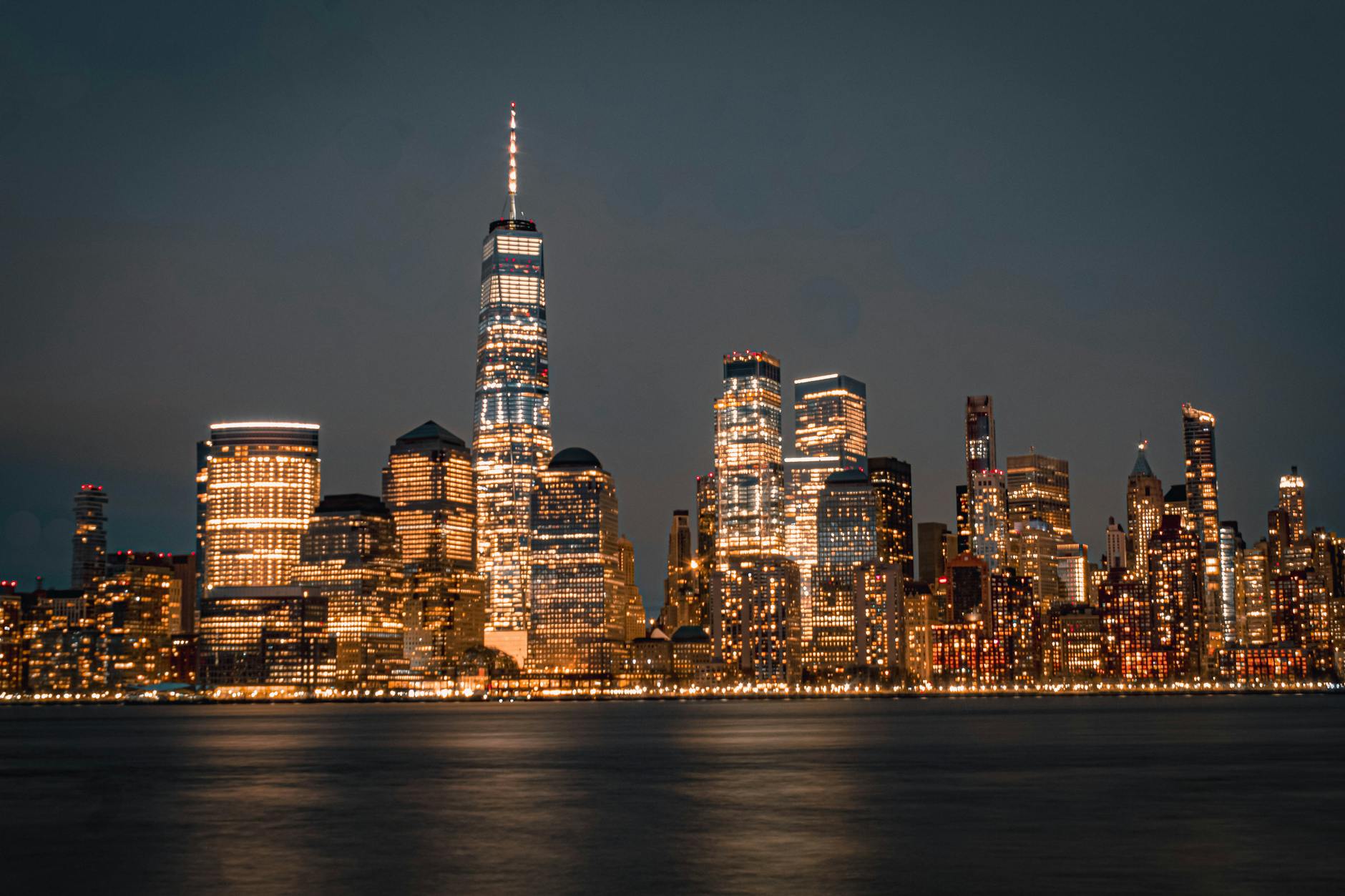
New York City is grappling with a persistent and visible challenge: homeless encampments. As winter approaches, the stakes are rising for vulnerable individuals living on the streets, prompting urgent questions about the actions of the city’s new mayor, Zohran Mamdani. His approach is pivotal not only for those affected but also for the community's perceptions of safety and sanitation.
The Current Landscape of Homelessness
CBS News New York recently reported on several encampments, particularly noting ones located on the Upper West Side and in Hell's Kitchen. The alarming visibility of these encampments has ignited discussions about how Mamdani plans to address what many consider a humanitarian crisis in the city.
Manhattan Councilwoman Gale Brewer has been particularly vocal about the need for action, expressing her frustration with the bureaucratic process. “I have multiple emails and people have called 311 over and over again, and it's frustrating,” she told CBS News. "It's time to do something."
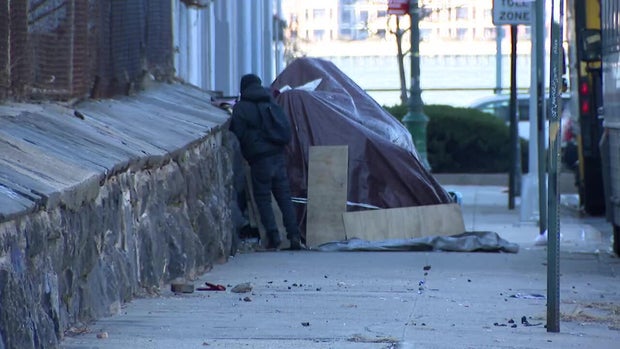
Brewer's comments reflect a growing impatience among constituents. Residents in neighborhoods affected by the encampments, such as West 45th Street, are also venting their frustrations. One concerned citizen, who wished to remain anonymous, remarked, “They take the call like they're supposed to, but nothing's really happening.” After living in the area for three decades, he lamented about returning to “old-school ways of crime and everything else.”
Confronting the Mayor
The concerns were put directly to Mayor Mamdani by CBS News journalist Marcia Kramer, who presented him with footage of individuals sheltering on the street in frigid temperatures. She called on him to justify the current conditions and highlight his plans for addressing the issue.
“It is not acceptable for a New Yorker to have to find shelter outside, whether on the Upper West Side or anywhere in the city,” Mamdani responded firmly. “New Yorkers should be able to find a place to call their home.” He has indicated that his administration will focus on outcomes rather than simply treating symptoms.
One key component of Mamdani’s strategy is to avoid the previous administration's approach of strictly clearing out encampments. Instead, he aims for a more compassionate strategy, one that invites homeless individuals to relocate to supportive housing. He emphasized the essential need to connect them with services they desire and would actually utilize.
The Challenge of Engagement
During the interview, Kramer described her interaction with a homeless man who expressed willingness to accept supportive housing, but pointed out there was a lack of offers being made. In response, Mamdani remarked, “That’s why, at the heart of this, it has to be the connection with services that they want.”
Brewer, responding to the mayor’s assertions, stated, “I think it put him on notice that he has to come up with an answer.” She believes that urgency is required now, more than ever, for finding housing solutions.
What Lies Ahead?
As Mamdani begins his tenure, he is faced with the dual challenge of restoring public faith while simultaneously ensuring that the most vulnerable citizens receive the assistance they need. The complexity of homelessness in urban settings requires a multifaceted approach that balances compassion with practicality.
While some city leaders are calling for immediate action, the path to sustainable solutions will take time. Many are watching closely, waiting to see whether Mamdani can reduce the number of encampments while providing vital resources for New Yorkers experiencing homelessness.
Further Reading
For more insights and updates about the situation regarding homelessness in New York City, follow these links:
Conclusion
As New York City continues to evolve under Mamdani's leadership, the handling of homeless encampments will serve as a significant barometer of his administration's priorities and capabilities. The hope remains that a more humane approach can address the crisis, ensuring that every New Yorker finds a place to call home.