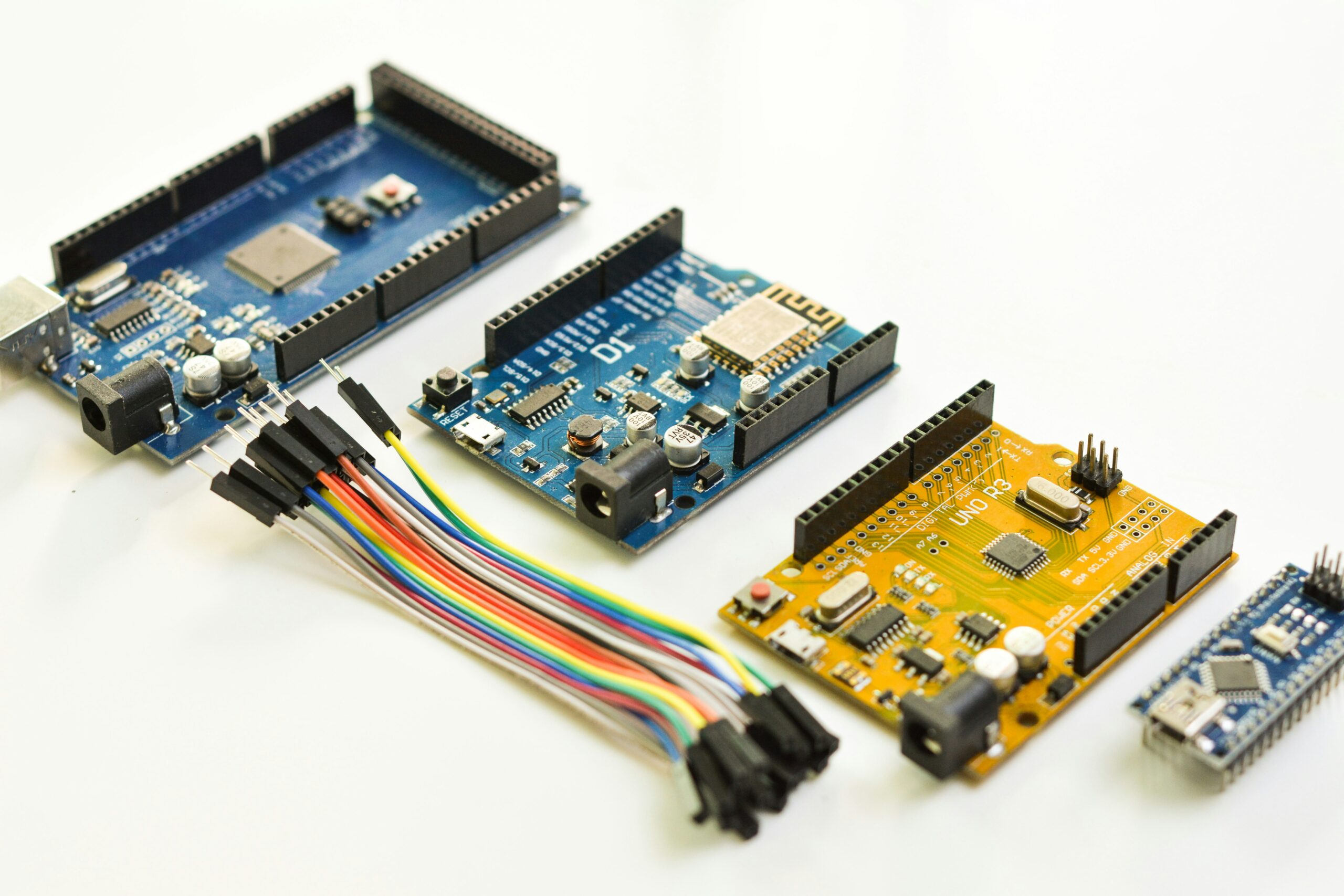
Wire harness assembly is a critical component in the manufacturing of electronic devices, automotive systems, and various industrial applications. As technology continues to advance, the demand for efficient and reliable wire harnesses has surged, impacting industries from automotive to aerospace. This article delves into the essentials of wire harness assembly, exploring its significance, processes, and innovations that are reshaping the field.
Understanding Wire Harness Assembly
At its core, wire harness assembly involves the systematic grouping and connection of wires, terminals, and connectors to create a functional unit that facilitates the distribution of electrical power and signals. These assemblies are integral to numerous applications, ensuring that electrical components work seamlessly together.
The Importance of Wire Harnesses
Wire harnesses serve multiple purposes, including:
- Organization: By bundling wires together, wire harnesses help to minimize clutter, facilitating easier installation and maintenance.
- Protection: They safeguard wires from environmental factors such as moisture, heat, and mechanical stress, thereby enhancing durability.
- Efficiency: A well-designed wire harness can streamline the manufacturing process, reducing assembly time and costs.
Given these benefits, wire harness assembly is essential for maintaining the reliability and performance of electronic systems.
The Wire Harness Assembly Process
The wire harness assembly process typically involves several key stages:
1. Design and Planning
Before assembly begins, engineers and designers create detailed schematics that outline the specifications and requirements of the wire harness. This stage involves selecting appropriate materials, determining wire lengths, and deciding on connector types. Advanced software tools are often employed to simulate the assembly, ensuring optimal design before production.
2. Material Selection
Choosing the right materials is crucial for the performance of wire harnesses. Common materials include copper for conductors, various types of insulation, and protective jackets. Factors such as temperature rating, flexibility, and resistance to chemicals are considered during this stage.
3. Cutting and Stripping
Once materials are selected, wires are cut to specified lengths and stripped of insulation at the ends where connections will be made. Precision is vital in this stage to ensure compatibility with connectors and terminals.
4. Terminal Crimping and Connector Assembly
In this phase, terminals are crimped onto the wires, and connectors are assembled. This step requires specialized equipment to ensure secure and reliable connections, which are essential for optimal electrical performance.
5. Assembly and Bundling
The crimped wires and connectors are then assembled according to the design specifications. This may involve bundling wires together using ties, heat shrink tubing, or conduit to provide additional protection.
6. Testing and Quality Control
Before the wire harness is deemed complete, it undergoes rigorous testing to ensure that all connections are secure and functioning correctly. Quality control measures are critical to identify any defects that could lead to failure in the field.
Innovations in Wire Harness Assembly
As industries evolve, so does the technology behind wire harness assembly. Recent innovations include:
Automation and Robotics
The integration of automation and robotics in wire harness assembly is revolutionizing the industry. Automated machines can perform repetitive tasks with precision, significantly increasing production rates while minimizing human error. Robotics are particularly beneficial in high-volume manufacturing environments.
Advanced Materials
The introduction of advanced materials, such as lightweight composites and high-temperature resistant coatings, is enhancing the performance of wire harnesses. These materials offer improved durability and flexibility, making them suitable for applications in extreme conditions, like aerospace and automotive sectors.
Smart Wire Harnesses
The advent of the Internet of Things (IoT) has led to the development of smart wire harnesses equipped with sensors and data communication capabilities. These harnesses can monitor performance in real-time, providing valuable insights into system health and helping to optimize maintenance schedules.
Challenges in Wire Harness Assembly
Despite its importance, wire harness assembly faces several challenges:
Complexity of Designs
As electronic devices become more sophisticated, the complexity of wire harness designs increases. Managing intricate layouts while ensuring reliability and manufacturability can be a daunting task for engineers.
Supply Chain Issues
The global supply chain has been strained due to various factors, including the COVID-19 pandemic. Sourcing high-quality materials and components in a timely manner has become increasingly challenging, impacting production schedules.
Skilled Labor Shortage
The wire harness assembly industry requires skilled labor capable of handling complex tasks. However, there is a growing shortage of qualified technicians, which poses a risk to maintaining high standards in production.
Future Trends in Wire Harness Assembly
Looking ahead, several trends are likely to shape the future of wire harness assembly:
Increased Customization
As consumers demand more personalized products, the need for customizable wire harness solutions is expected to rise. Manufacturers will need to adapt their processes to accommodate a wider variety of designs and configurations.
Sustainability Initiatives
With growing awareness of environmental issues, sustainable practices in wire harness assembly are becoming more critical. This includes using recyclable materials, reducing waste, and adopting energy-efficient manufacturing processes.
Enhanced Collaboration
The future of wire harness assembly will likely see greater collaboration between manufacturers, suppliers, and customers. Enhanced communication and teamwork can lead to more innovative solutions and improved product quality.
Conclusion
Wire harness assembly is a vital aspect of modern manufacturing, playing a key role in the functionality and reliability of countless electronic systems. As the industry continues to evolve, understanding the processes, challenges, and innovations within wire harness assembly is essential for stakeholders. By staying informed and adaptable, businesses can harness the full potential of this critical component, ensuring their products meet the demands of an increasingly complex technological landscape.